

Odor Removal
(303) 975-4000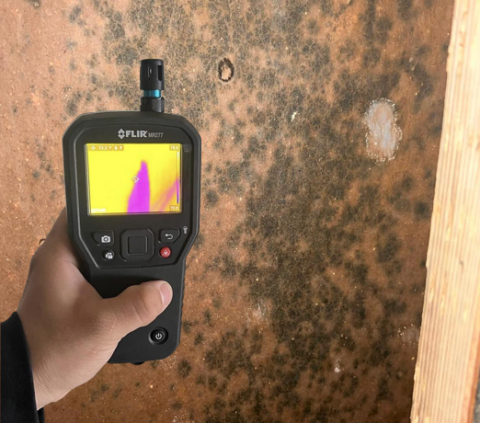
Odor Removal in Colorado's Front Range. When a property is affected by unexpected damage, a clear assessment and a documented recovery plan can help limit disruption. Abbott's Cleanup & Restoration serves property owners across its confirmed Colorado service area. For urgent assistance, call (303) 975-4000.
What this service addresses
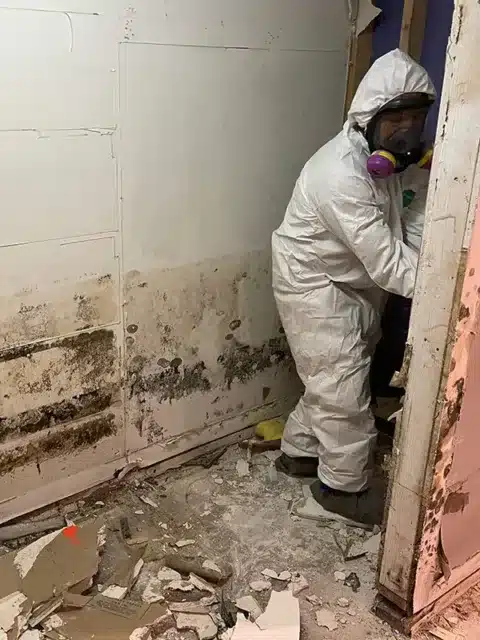
Odor Removal may involve identifying the source of damage, determining which materials are affected, documenting existing conditions, and developing a scope of work appropriate to the property. The exact response depends on the type and extent of damage; not every project requires the same equipment or procedures.
What to do first
Protect people before property. If there are electrical hazards, suspected contamination, structural concerns, or active fire conditions, avoid the affected area and contact the appropriate emergency responder. When safe, document the visible damage and take reasonable steps to prevent additional loss without disturbing potentially hazardous materials.
Assessment and next steps
An assessment typically begins with a discussion of what happened, when it was discovered, and which areas may be affected. The restoration team can then explain the proposed scope, expected sequencing, and documentation needs. Work should not begin until the property owner understands the authorization and relevant safety considerations.
How the restoration process works
- Initial contact: Describe the incident, location, and immediate concerns.
- Property assessment: Identify visible damage and determine whether further investigation is required.
- Mitigation planning: Prioritize stabilization and steps that may prevent additional damage.
- Cleanup and restoration: Carry out the approved scope using methods appropriate to the materials and conditions.
- Documentation and review: Record completed work and discuss any remaining repairs or follow-up.
Service considerations in Colorado's Front Range
Property age, construction materials, weather, access, and the source of the damage can influence the scope of restoration. Local conditions should be discussed in relation to the actual address; this page does not imply a physical Abbott's office in every city or neighborhood.
Insurance and documentation
Coverage varies by policy and cause of loss. Save photos, estimates, invoices, and communications. Abbott's can discuss available project documentation and coordination procedures, but only the insurer can determine coverage under a particular policy.
Frequently asked questions
How soon should I call about odor removal?
Contact a qualified professional promptly when damage is spreading, hidden moisture or contamination is possible, or normal use of the property is affected. Immediate hazards should be directed to emergency responders first.
Can the damaged materials be restored?
That depends on the material, exposure, contamination, duration, and on-site findings. Avoid assuming that every material must be replaced or that every material can be saved.
Will my insurance pay for this work?
Coverage depends on the policy and circumstances. Document the loss and speak with your insurer about coverage and claim requirements.
Does every job follow the same process?
No. An appropriate scope is based on observed conditions and applicable safety and industry requirements.
Request an assessment
Call (303) 975-4000 or use the contact page to describe the property and the service needed. Confirm availability for your specific location.
Related services
Source-focused odor assessment
Find the odor source before masking it
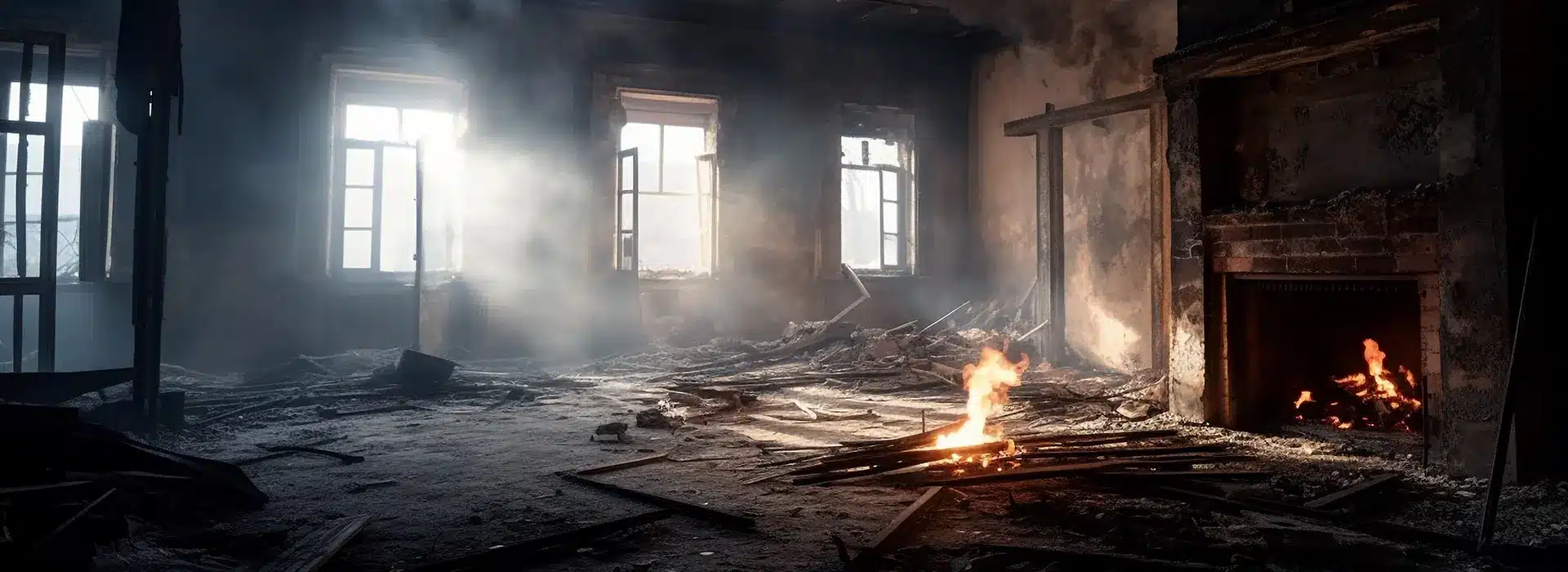
Smoke residue, damp building materials, and contaminated contents can each contribute to persistent odors. Fragrances do not resolve the underlying source.
Details worth noting
- Record when the odor began and which rooms are affected.
- Note whether it changes with rain, humidity, or use of heating and cooling.
- Identify any recent leaks, fire damage, or plumbing backups.
- Avoid mixing cleaning chemicals or using treatment equipment without professional guidance.
What to discuss with your restoration team
- 01
Trace the source
Review affected surfaces, contents, and possible hidden moisture or residue.
- 02
Address affected materials
Cleaning or removal decisions should be based on the source, not scent alone.
- 03
Review remaining concerns
Discuss whether further inspection is needed if the odor returns.
Know before you decide
Questions worth asking
Will an air freshener solve a persistent odor?
It may temporarily mask the smell, but it does not remove smoke residue, contamination, or wet materials.
Does a musty smell always mean visible mold?
No. Hidden dampness and other sources can cause odors. An assessment can help narrow the cause without assuming a diagnosis.