


Drying Drywall Steps
(303) 975-4000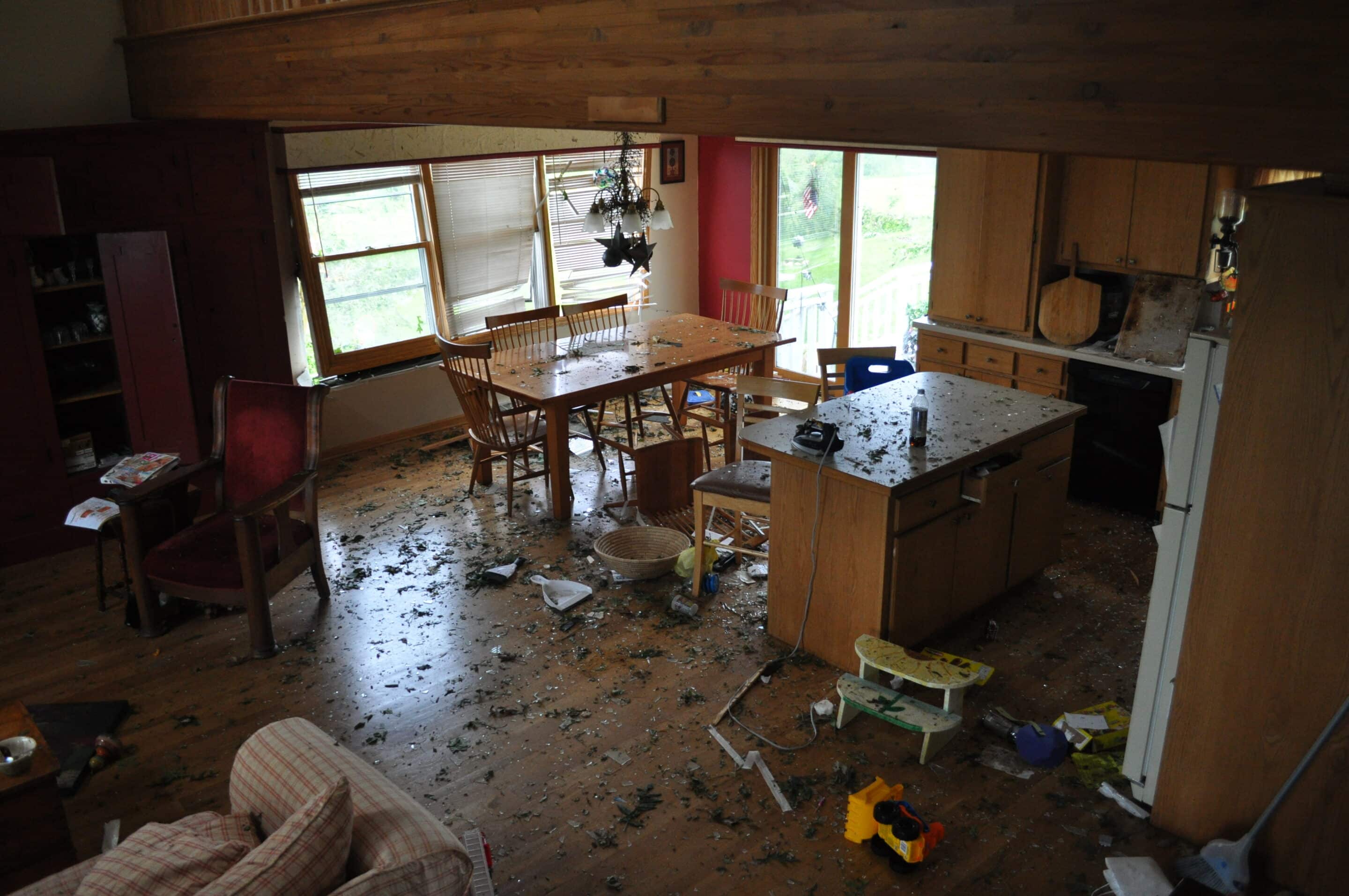
Water, fire, mold, and property damage questions deserve clear answers. This article covers drying drywall steps from a practical property-owner perspective.
What property owners should understand
The right next step depends on the source of the problem, the materials affected, and whether there is an ongoing safety hazard. Identify the cause before undertaking repairs. Photograph visible damage, record when it was discovered, and keep receipts for necessary emergency measures.
Safety comes first
Avoid entering areas with electrical hazards, suspected contamination, unstable materials, or active fire damage. If a building is unsafe, contact emergency services or the appropriate utility. Suspected asbestos, sewage contamination, and extensive mold conditions require qualified assessment; do not disturb materials casually.
When professional restoration may be needed
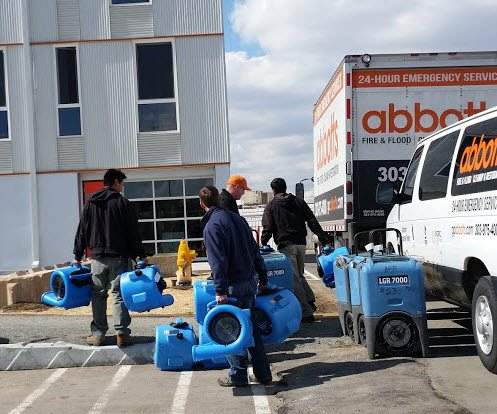
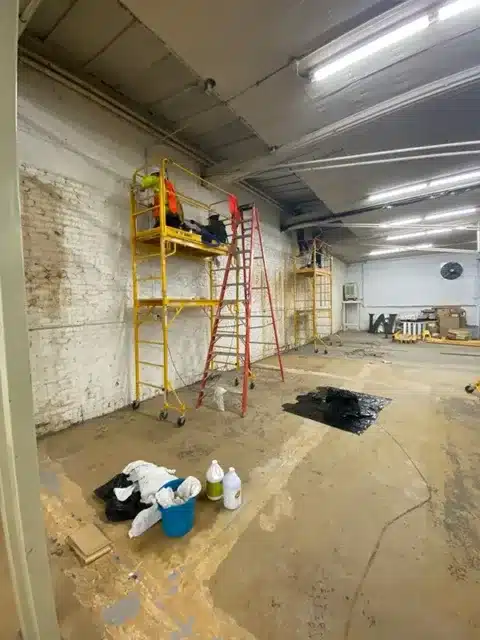
Professional assistance may be appropriate when damage affects concealed cavities, structural assemblies, multiple rooms, contaminated materials, or equipment that requires controlled drying and verification. The restoration scope should reflect an on-site assessment rather than a generic checklist.
What to document
- Photos of the affected areas before work begins
- Dates, known causes, and any emergency actions
- Affected rooms, surfaces, and personal property
- Communication with insurance representatives
- Work authorizations, estimates, and completion records
How Abbott's can help
Abbott's Cleanup & Restoration provides restoration and cleanup services in the Denver region and other confirmed service areas. For an assessment, call (303) 975-4000. Availability, exact services, and insurance coverage should be confirmed for the specific property.
Related resources
Drywall drying guide
Check the wall cavity before closing it up
Water can travel beneath flooring, inside wall cavities, and into insulation. Locating the source and checking hidden moisture helps determine what needs drying and what may need removal.
Before cleanup begins
- Avoid wet areas near outlets, appliances, or electrical panels.
- If safe, stop the water at its source. Do not enter standing water to reach a shutoff.
- Photograph affected rooms and keep a record of when you first noticed the damage.
- Keep children and pets away, especially if the water source is unknown.
What to discuss with your restoration team
- 01
Locate the source
Identify the leak or intrusion and the areas water may have reached, not just the visible puddle.
- 02
Assess and dry
Moisture readings help guide extraction, equipment placement, and decisions about affected materials.
- 03
Check before repairs
Review drying progress and remaining damage before closing walls or replacing finishes.
Know before you decide
Questions worth asking
Can drywall that looks dry still be wet?
Yes. Paint and exposed surfaces can dry before the inside of a wall. Moisture checks are more useful than appearance alone.
Should I use a household fan?
Not when sewage, mold, or contamination may be present. Airflow can spread contaminants. Have the water source and affected area assessed first.